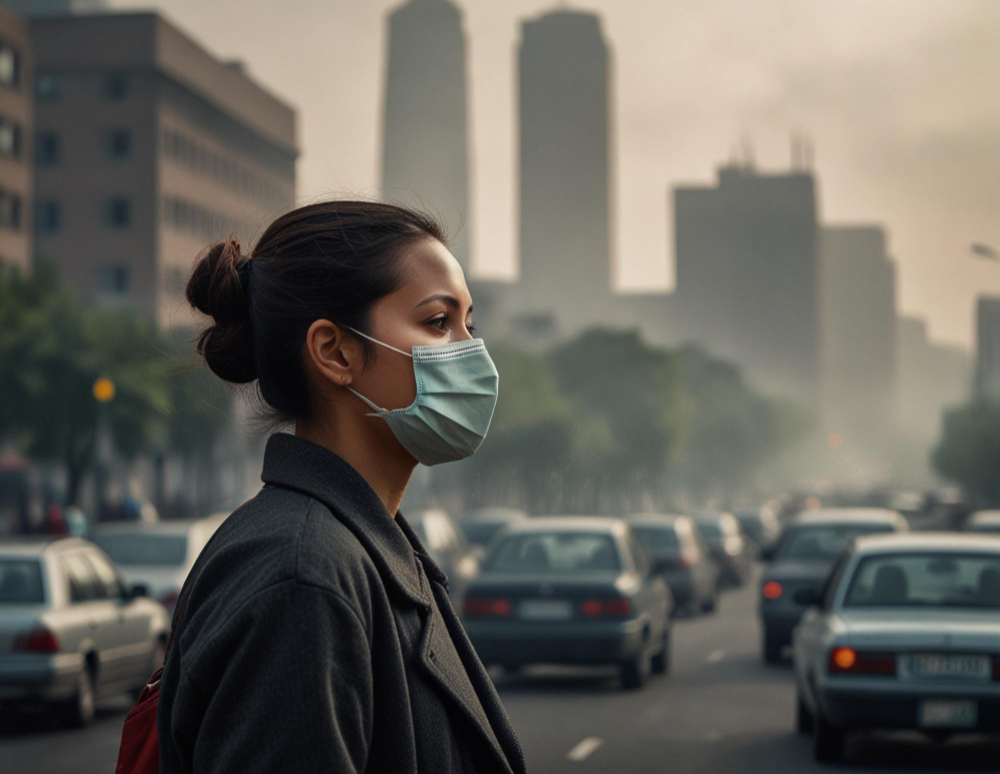
What Is Air Pollution?
Air pollution means harmful substances in the air we breathe. These substances can come from many sources. For example, cars, trucks, factories, and wildfires all release pollutants. Even dust, pollen, and mold can add to air pollution. In cities like Los Angeles or Houston, air quality can change daily. Because of this, many people worry about air pollution and respiratory health.
Sometimes, weather can make air pollution worse. For instance, hot days can trap pollutants close to the ground. As a result, breathing becomes harder for many people.
How Air Pollution Affects Respiratory Health
Air pollution can enter your body when you breathe. Tiny particles and gases can reach deep into your lungs. Because of this, your airways may become irritated or inflamed. Over time, this can harm your lungs and make breathing more difficult.
Some groups are at higher risk from respiratory risks from air pollution:
Even healthy people can feel the effects on days with poor air quality. For example, you may notice coughing or shortness of breath after spending time outside.
Common Symptoms and Health Effects of Air Pollution Exposure
Exposure to air pollution and respiratory health problems often go hand in hand. Some symptoms can appear quickly, while others develop over time. For instance, you may notice symptoms after heavy traffic or during wildfire season.
Long-term exposure can lead to serious health issues. These include chronic bronchitis, reduced lung growth in children, and even lung cancer. Because of this, protecting lungs from pollution is important for everyone.
Diagnosis and Monitoring of Air Pollution-Related Respiratory Issues
Doctors use several methods to check for breathing problems linked to air pollution. First, they may ask about your symptoms and daily habits. Next, they might use tests to measure how well your lungs work. For example, spirometry is a simple test where you blow into a tube. This helps doctors see if your airways are blocked or inflamed.
Sometimes, doctors use chest X-rays or blood tests to rule out other causes. In many cities, air quality monitors track pollution levels. You can check daily air quality reports online or through apps. Because air quality and breathing problems are closely linked, it helps to stay informed about local conditions.
Prevention and Protection Strategies
There are many ways to protect yourself from respiratory risks from air pollution. While you cannot control outdoor air, you can take steps to reduce your exposure.
Community actions also help. For example, using public transport or carpooling can lower pollution in your area. Planting trees and supporting clean air programs make a difference over time.
Lifestyle Guidance for Reducing Exposure and Supporting Lung Health
Healthy habits can help your lungs stay strong, even when air pollution is a concern. For instance, eating a balanced diet with fruits and vegetables supports your immune system. Regular exercise, done indoors on bad air days, keeps your lungs active.
By making small changes, you can reduce your risk of breathing problems. Because air pollution and respiratory health are closely linked, these steps can help protect your lungs every day. Start your journey towards better health with professional guidance, consult Dr. Shivaraj Reddy K.