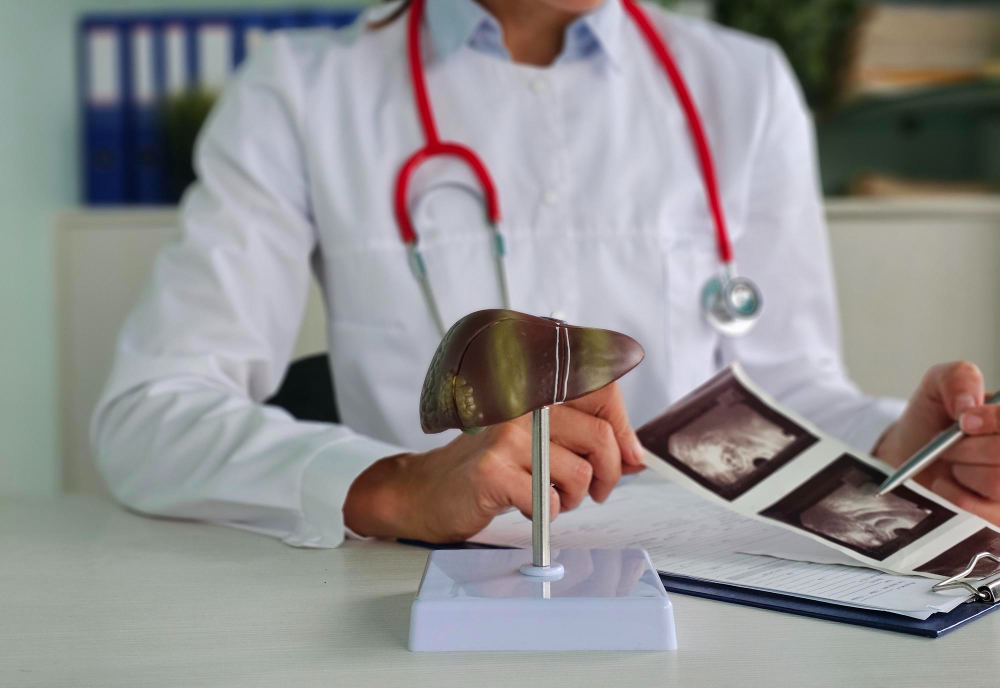
Fatty liver disease is a growing concern worldwide, including in the US. This condition happens when extra fat builds up in the liver. Because the liver is vital for your health, taking care of it is important. In this blog, you will learn what fatty liver disease is, its symptoms, causes, and why lifestyle changes are key for liver health. We will also share tips on preventing fatty liver disease and when to see a doctor.
What is Fatty Liver Disease?
Fatty liver disease means there is too much fat in your liver cells. Usually, the liver has little or no fat. However, when fat makes up more than 5% of the liver’s weight, it can cause problems. There are two main types:
Over time, fatty liver disease can lead to liver damage. For this reason, early action is important.
Common Symptoms and Causes
Often, fatty liver disease has no clear symptoms at first. Still, some people may notice:
There are several causes and risk factors. For example, you may be at higher risk if you:
Because these factors are common, many people are at risk for fatty liver disease.
How Fatty Liver Disease is Diagnosed
Doctors use several methods to diagnose fatty liver disease. First, they may ask about your health history and do a physical exam. Next, they may order tests such as:
Early diagnosis helps prevent serious liver problems later. Therefore, regular check-ups are important if you have risk factors.
The Importance of Lifestyle Changes
While medicine can help, lifestyle changes are the main way to manage fatty liver disease. In fact, the World Health Organization and CDC both stress the value of healthy habits. Because the liver can heal itself, making changes early can reverse fatty liver disease. However, ignoring it may lead to liver scarring or failure.
Effective Lifestyle Strategies for Liver Health
There are many ways to improve liver health and manage fatty liver disease. For example, you can:
Because small steps add up, even modest changes can make a big difference for your liver.
Prevention Tips
Preventing fatty liver disease is easier than treating it. To protect your liver, try these tips:
Because prevention is better than cure, these habits can help you avoid liver problems.
When to See a Doctor
If you have risk factors or notice symptoms like tiredness, belly pain, or yellow skin, see a doctor. Early care can prevent serious liver damage. Also, talk to your doctor before starting any new diet or exercise plan, especially if you have other health issues.
In summary, fatty liver disease is common but can often be managed with healthy lifestyle changes. For personalized advice on managing fatty liver disease, consult Dr. Shivaraj Reddy K