Introduction
Leptospirosis is a bacterial infection that affects both humans and animals. It is more common in warm, wet areas and during rainy seasons. Many people do not know about leptospirosis, but it can cause serious health problems. Early detection and treatment are important. In this blog, you will learn about leptospirosis symptoms, causes, diagnosis, treatment options, and ways to prevent infection.
Causes of Leptospirosis
Leptospirosis is caused by bacteria called Leptospira. These bacteria live in the urine of infected animals, such as rats, dogs, cattle, and pigs. People can get infected when they come into contact with water, soil, or food that has been contaminated by animal urine. For example, swimming in rivers or lakes after heavy rain can increase the risk. In some places, outbreaks happen after floods or storms.
Because the bacteria can enter through the skin, even small cuts or scrapes can be a way in. Therefore, it is important to protect yourself, especially in high-risk areas.
Symptoms of Leptospirosis
Leptospirosis symptoms can vary from mild to severe. Some people may not have any symptoms at all. However, early signs often appear within 2 to 14 days after exposure. Knowing the warning signs can help you seek help quickly.
In some cases, the infection can become severe. For instance, it may cause kidney or liver problems, yellow skin (jaundice), or bleeding. If you notice these serious symptoms, you should seek medical help right away.
Diagnosis of Leptospirosis
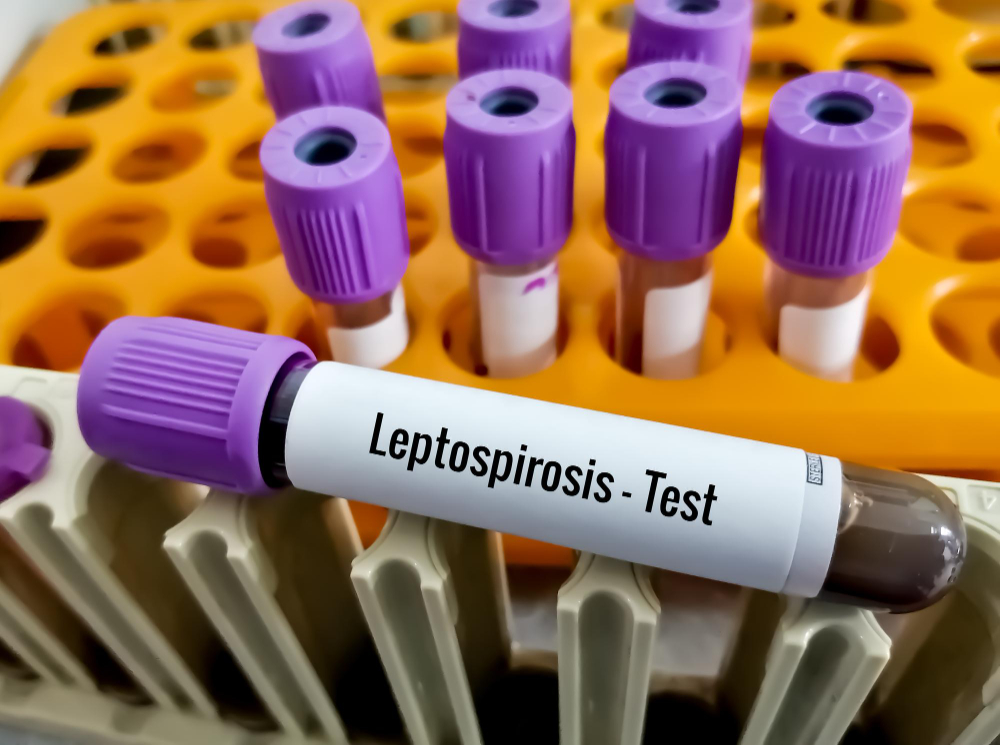
Doctors use several methods to diagnose leptospirosis. First, they ask about your symptoms and recent activities. For example, they may ask if you have been near floodwaters or animals. Next, they may order blood or urine tests to look for the bacteria or signs of infection. Sometimes, more than one test is needed to confirm the diagnosis. Early testing helps start treatment sooner. If you wonder how is leptospirosis diagnosed, these are the main steps:
Because symptoms can look like other illnesses, proper testing is important for the right diagnosis.
Treatment Options for Leptospirosis
Leptospirosis treatment options depend on how severe the infection is. Most people recover with the right care. Doctors usually prescribe antibiotics, such as doxycycline or penicillin. These medicines help fight the bacteria. For mild cases, treatment at home may be enough. However, severe cases may need hospital care. In the hospital, patients may get fluids, pain relief, or help for kidney or liver problems.
With early treatment, most people recover fully. But, without treatment, leptospirosis can cause lasting health problems.
Prevention of Leptospirosis
Preventing leptospirosis in humans is possible with simple steps. Because the bacteria spread through water and soil, you should avoid contact with contaminated sources. Here are some practical tips to lower your risk:
In some cases, doctors may suggest preventive antibiotics for people at high risk, such as farmers or rescue workers. However, good hygiene and safety habits are the best defense.
When to See a Doctor
If you have symptoms of leptospirosis after being in risky areas, you should see a doctor. Early treatment can prevent serious problems. For example, seek help if you have high fever, muscle pain, yellow skin, or trouble breathing. Even mild symptoms should not be ignored if you think you were exposed. Your doctor can guide you on the next steps and provide the right care.
In summary, leptospirosis is a serious but treatable infection. By knowing the causes, symptoms, and prevention tips, you can protect yourself and your family. Consult a healthcare professional if you suspect leptospirosis or need personalized advice.
Get timely evaluation and treatment for infections with expert guidance from Dr. Shivaraj Reddy K.