
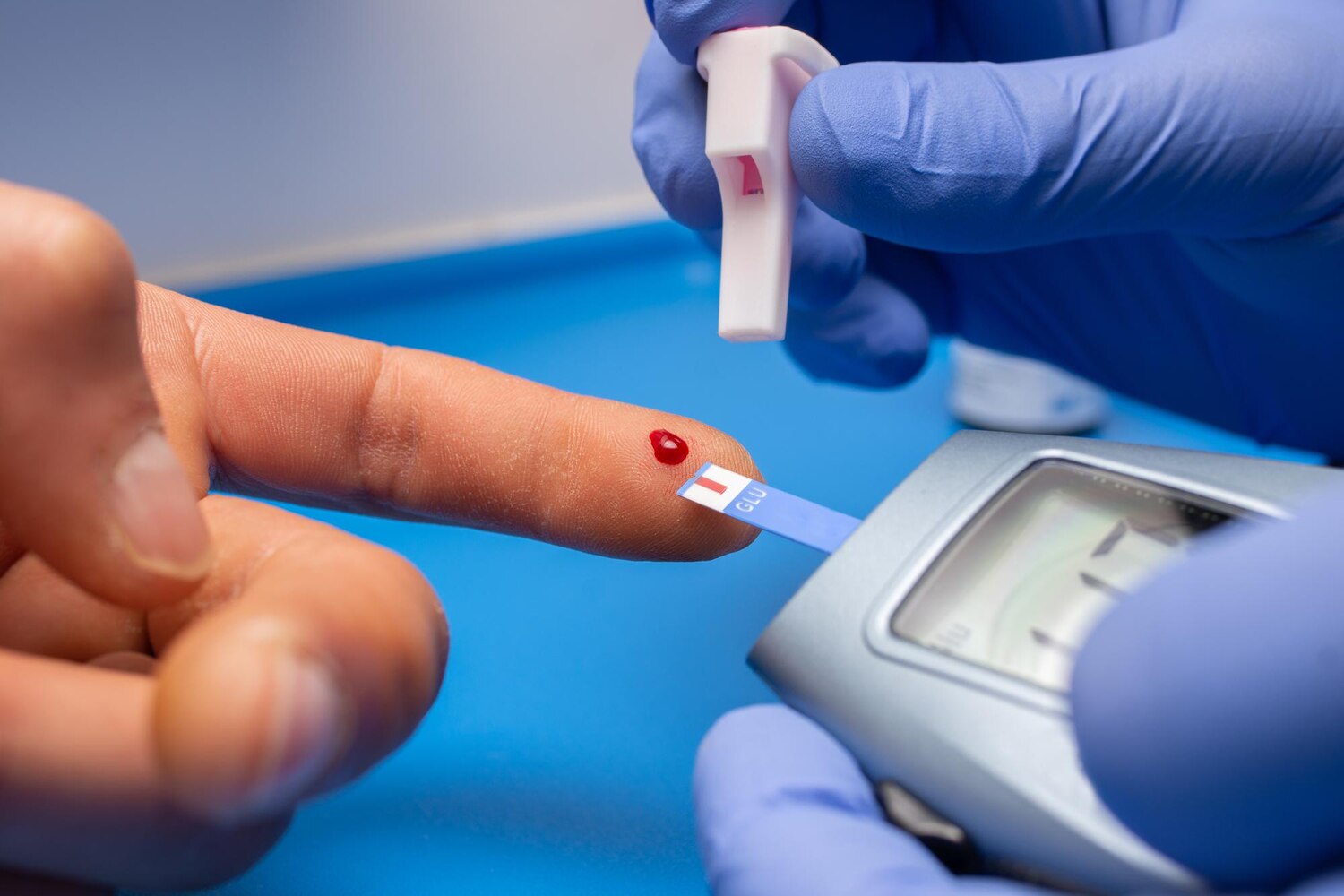
Diabetes Management is essential for maintaining healthy blood sugar levels, preventing complications, and improving overall quality of life. Diabetes is a chronic condition that affects how the body processes glucose, and without proper care, it can lead to serious health problems involving the heart, kidneys, eyes, nerves, and blood vessels. Early diagnosis, regular monitoring, and personalized treatment are key to controlling diabetes effectively.
Dr. Shivaraj Reddy K, an experienced Senior Consultant General Physician, provides comprehensive diabetes management tailored to each patient’s health condition, lifestyle, and medical history. His approach combines accurate diagnosis, medication management, dietary counseling, lifestyle modifications, and regular follow-up to help patients achieve long-term blood sugar control and lead healthier lives.
Diabetes occurs when the body either does not produce enough insulin or cannot effectively use the insulin it produces. Over time, uncontrolled blood sugar levels can damage multiple organs and increase the risk of severe complications.
The most common types include:
Type 1 Diabetes
Type 2 Diabetes
Prediabetes
Gestational Diabetes (post-pregnancy follow-up when required)
Early medical intervention helps reduce the risk of long-term health complications and supports better disease management.
Many people may not notice diabetes in its early stages. Recognizing the warning signs and seeking timely medical consultation is important.
Common symptoms include:
Frequent urination
Excessive thirst
Increased hunger
Unexplained weight loss
Persistent fatigue
Blurred vision
Slow-healing wounds
Frequent infections
Tingling or numbness in the hands and feet
If you experience any of these symptoms, a comprehensive diabetes evaluation is recommended.
Effective diabetes management begins with a detailed medical assessment to determine the severity of the condition and identify any associated health risks.
The evaluation may include:
Complete medical history review
Blood sugar assessment
HbA1c evaluation
Blood pressure monitoring
Weight and Body Mass Index (BMI) assessment
Review of current medications
Assessment for diabetes-related complications
Lifestyle and dietary evaluation
This thorough assessment helps develop a personalized treatment strategy.
Every patient responds differently to diabetes treatment. Personalized care focuses on maintaining stable blood sugar levels while reducing the risk of complications.
Treatment plans may include:
Oral diabetes medications
Insulin therapy when required
Blood sugar monitoring guidance
Individualized dietary recommendations
Weight management support
Exercise and physical activity advice
Medication adjustments
Regular follow-up consultations
The treatment plan is regularly reviewed to ensure optimal diabetes control.
Healthy lifestyle habits play a major role in successful diabetes management. Small, consistent changes can significantly improve blood sugar control and overall health.
Lifestyle recommendations include:
Eating a balanced, diabetic-friendly diet
Engaging in regular physical activity
Maintaining a healthy body weight
Staying hydrated
Managing stress effectively
Getting adequate sleep
Avoiding smoking and excessive alcohol consumption
These habits help improve insulin sensitivity and reduce the risk of complications.
Long-term uncontrolled diabetes can affect various organs. Regular medical care helps detect complications early and keeps the condition under control.
Diabetes management focuses on preventing:
Heart disease
Kidney damage
Eye complications
Nerve damage
Foot problems
Stroke
High blood pressure
Routine monitoring and timely treatment greatly reduce these risks.
Managing diabetes requires continuous medical supervision and patient education. With personalized treatment, regular monitoring, and preventive care, patients can maintain healthy blood sugar levels and enjoy a better quality of life.
Whether you are newly diagnosed or living with diabetes for years, comprehensive Diabetes Management helps control the condition, prevent complications, and support long-term health through expert medical guidance and evidence-based care.