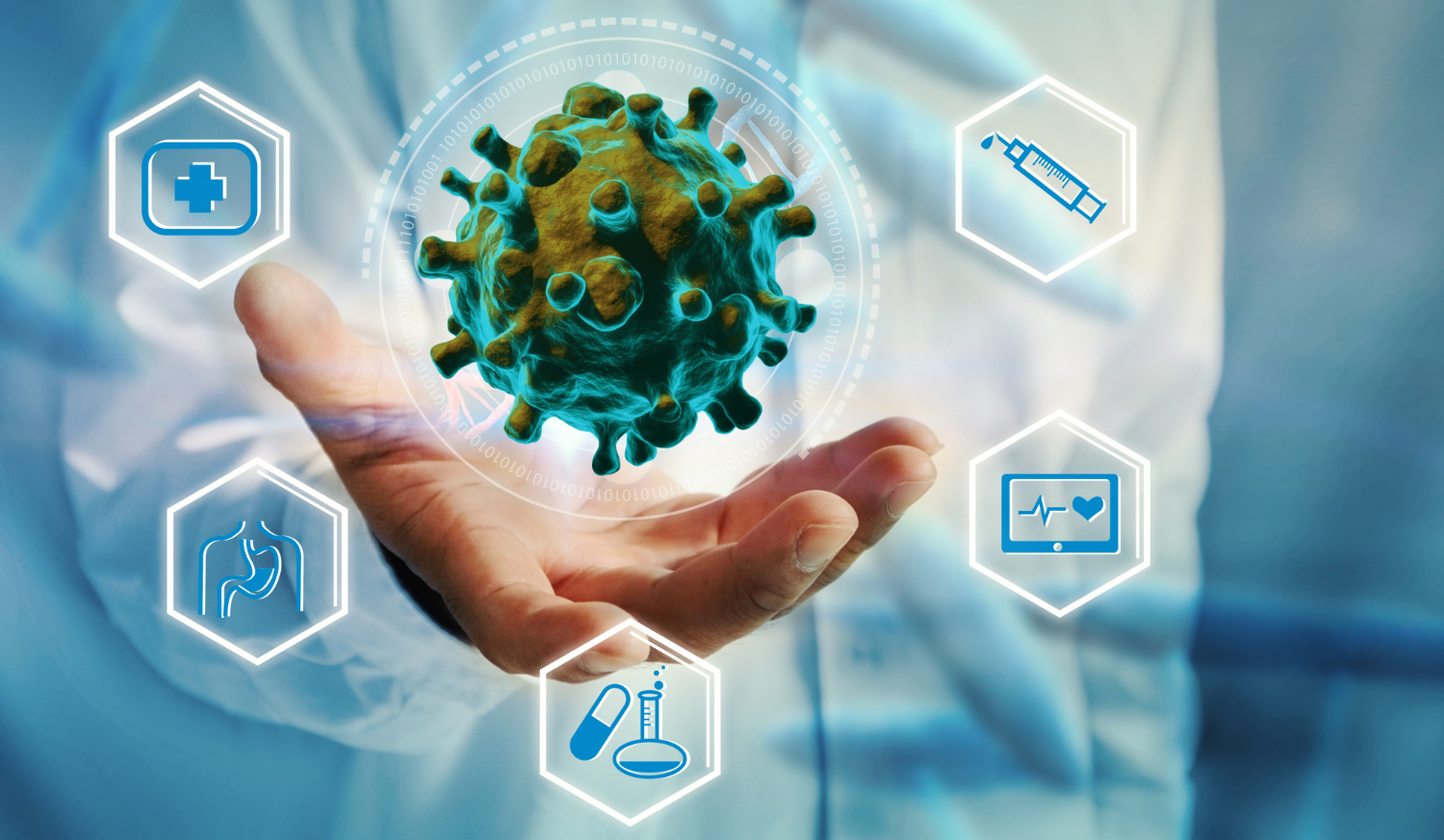
Infectious diseases are illnesses caused by bacteria, viruses, fungi, or parasites that can spread through direct contact, contaminated food or water, insect bites, or the environment. While many infections are mild and resolve with timely treatment, some can become serious if left untreated. Early diagnosis and proper medical care are essential to prevent complications, reduce transmission, and ensure complete recovery.
Dr. Shivaraj Reddy K, an experienced Senior Consultant General Physician, provides comprehensive Infectious Disease Management through accurate diagnosis, evidence-based treatment, and continuous medical monitoring. Every treatment plan is personalized based on the type of infection, severity of symptoms, and the patient’s overall health, ensuring safe and effective recovery.
Infectious diseases occur when harmful microorganisms enter the body and multiply, causing illness. These infections may affect the respiratory system, digestive tract, urinary tract, skin, or other organs. Prompt medical evaluation helps identify the cause and ensures the most appropriate treatment.
Common infectious diseases include:
Viral infections
Bacterial infections
Respiratory tract infections
Urinary tract infections (UTIs)
Gastrointestinal infections
Skin and soft tissue infections
Seasonal infectious illnesses
Fungal infections
Early diagnosis significantly reduces the risk of complications and promotes faster recovery.
The symptoms of infectious diseases vary depending on the affected organ and the type of microorganism involved.
Common symptoms include:
Fever and chills
Persistent cough
Sore throat
Body aches
Fatigue and weakness
Diarrhea or vomiting
Burning sensation during urination
Skin rashes or redness
Swelling or pain
Loss of appetite
Persistent or severe symptoms should never be ignored and require prompt medical attention.
Accurate diagnosis is the foundation of successful infectious disease management. A detailed medical assessment helps determine the exact cause of the infection and guides effective treatment.
The evaluation may include:
Detailed medical history
Physical examination
Assessment of symptoms
Blood investigations
Urine analysis when required
Infection-specific diagnostic tests
Review of previous medications
Evaluation of underlying health conditions
This comprehensive assessment allows for timely diagnosis and targeted treatment.
Treatment depends on the type of infection, its severity, and the patient’s medical condition. Every treatment plan is individualized to ensure the best possible outcome.
Management may include:
Appropriate medications
Antibiotics for bacterial infections when indicated
Antiviral medications when necessary
Antifungal treatment for fungal infections
Fever and pain management
Hydration advice
Nutritional guidance
Regular follow-up consultations
Careful monitoring ensures that the infection resolves completely while minimizing the risk of recurrence.
Preventing infections is an important part of maintaining good health. Simple lifestyle measures can significantly reduce the risk of infectious diseases.
Preventive recommendations include:
Frequent hand washing
Drinking safe and clean water
Maintaining personal hygiene
Eating properly cooked food
Following recommended vaccinations
Avoiding close contact with infected individuals
Wearing masks during outbreaks when appropriate
Seeking timely medical care for symptoms
These preventive measures help protect both individuals and the community.
Untreated infections can lead to serious health issues affecting multiple organs. Early treatment and regular follow-up help reduce these risks.
Proper infectious disease management helps prevent:
Severe dehydration
Spread of infection
Organ damage
Bloodstream infections
Chronic health complications
Recurrent infections
Hospitalization
Timely medical care ensures faster recovery and better long-term health outcomes.
Proper diagnosis is essential because infections require different treatments depending on their cause. Self-medication or unnecessary antibiotic use may delay recovery and contribute to antibiotic resistance.
Whether you are experiencing fever, respiratory infections, urinary tract infections, gastrointestinal illnesses, or other infectious diseases, comprehensive Infectious Disease Management provides accurate diagnosis, personalized treatment, preventive guidance, and ongoing medical support to promote complete recovery and protect your overall health.